



Last Added News
The First Orphanet-TR National Advisory Board Meeting Has Been Completed
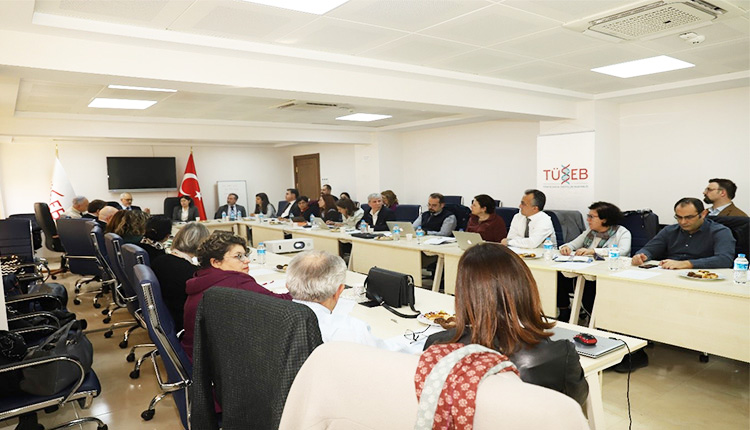
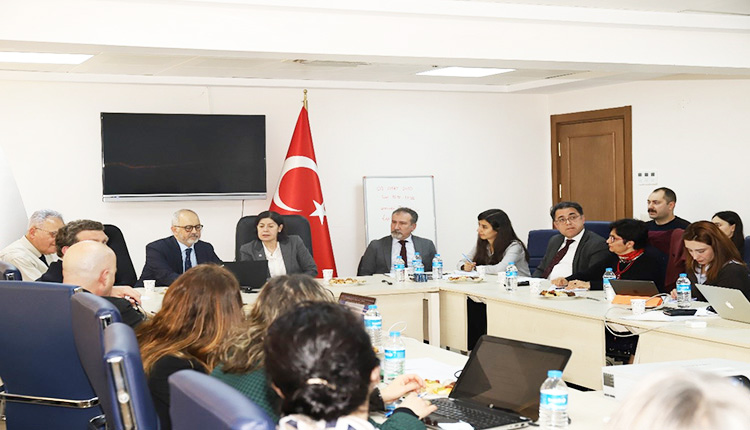
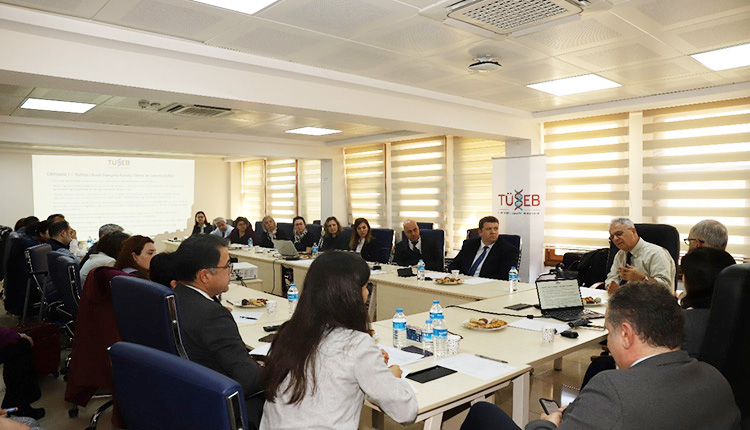
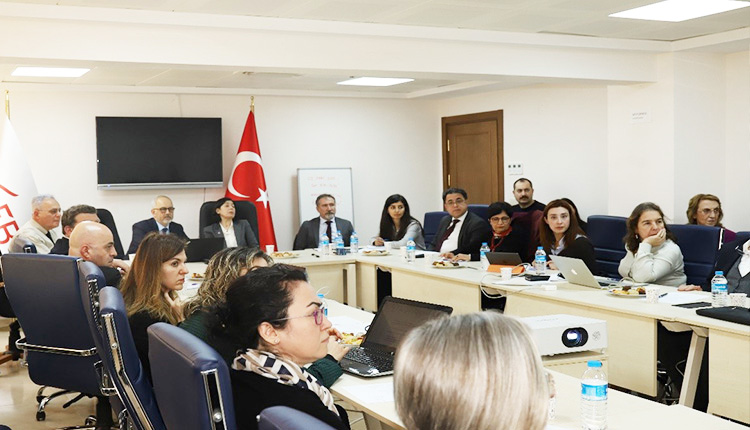
The First Orphanet National Advisory Board Meeting was held on March 02, 2020 at TUSEB Istanbul Koşuyolu Campus. The meeting hosted by the Health Institutes of Turkey - Institute of Public Health and Chronic Diseases (TUSEB-TUHKE), with the participation of representatives of member associations who are experts in their fields. Twenty seven members of Orphanet-TR National Advisory Board attended the meeting.
The meeting agenda included the following; introducing the members of the Orphanet National Advisory Board, introducing the Orphanet-TR Technical Team (Dr. Emrah Yucesan, Expert Nazli Erturk, Merve Yemenici, and Cumali Al), the perspective of the TUSEB Presidency on the rare diseases, discussion of the tasks and responsibilities of the members of the National Advisory Board, and Orphanet -TR activities suggested for 2020.
At the beginning of the meeting, the President of the Turkish Institute of Public Health and Chronic Diseases (TUHKE), professor Ilhan Satman MD started the meeting by thanking the participating associations and the experts who accepted the membership of the Orphanet-TR National Advisory Board. After the members of the Advisory Board introduced themselves, she gave information about the point of view by TUSEB on rare diseases. Then she gave brief historical information about Orphanet, the European Sharing and Information Platform on Rare Diseases and Orphan Drugs. She continued on how the Orphanet-TR National Advisory Board was formed, its structure, the selection criteria of the members, the tasks and responsibilities of the members, and their terms of office.
In the last part of the meeting, views were exchanged between the participants. The members of Advisory Boards suggested giving priorities to topics such as re-defining the rare diseases in Turkey's conditions, preparation of the Turkey Rare Disease Action Plan together with the relevant bodies in the Ministry of Health. In addition, cooperation with patient associations to raise awareness about rare diseases, standardization of genetic test reports, the Turkish translation of technical terms used in the genetic reports, the certification and monitoring of the genetic diagnosis laboratories were among the main issues recommended by the members. Furthermore, it was discussed the inclusion of rare disease-related information in the medical education curriculum and the development of rare disease science as a subspecialty.
In addition, opinions and suggestions were expressed on other important issues such as setting standards of centers of excellence, developing existings and opening new centres, facilitating access to genetic diagnostic tests, and finally reaching a consensus on the rational and cost-effective use of innovative drugs in rare diseases by communicating with relevant institutions.